SpaceX-Tesla
Starship After 14 Flights: How SpaceX's Giant Rocket Evolved, and What Comes Next
By Darrell Wallen
Would you prefer to listen?
From a 2023 launch that ended in an explosion over the Gulf of Mexico to its first trip to orbit, Starship has been built in public, one failure at a time. Its next flight aims to catch both stages out of the sky, but the schedule has slipped before.
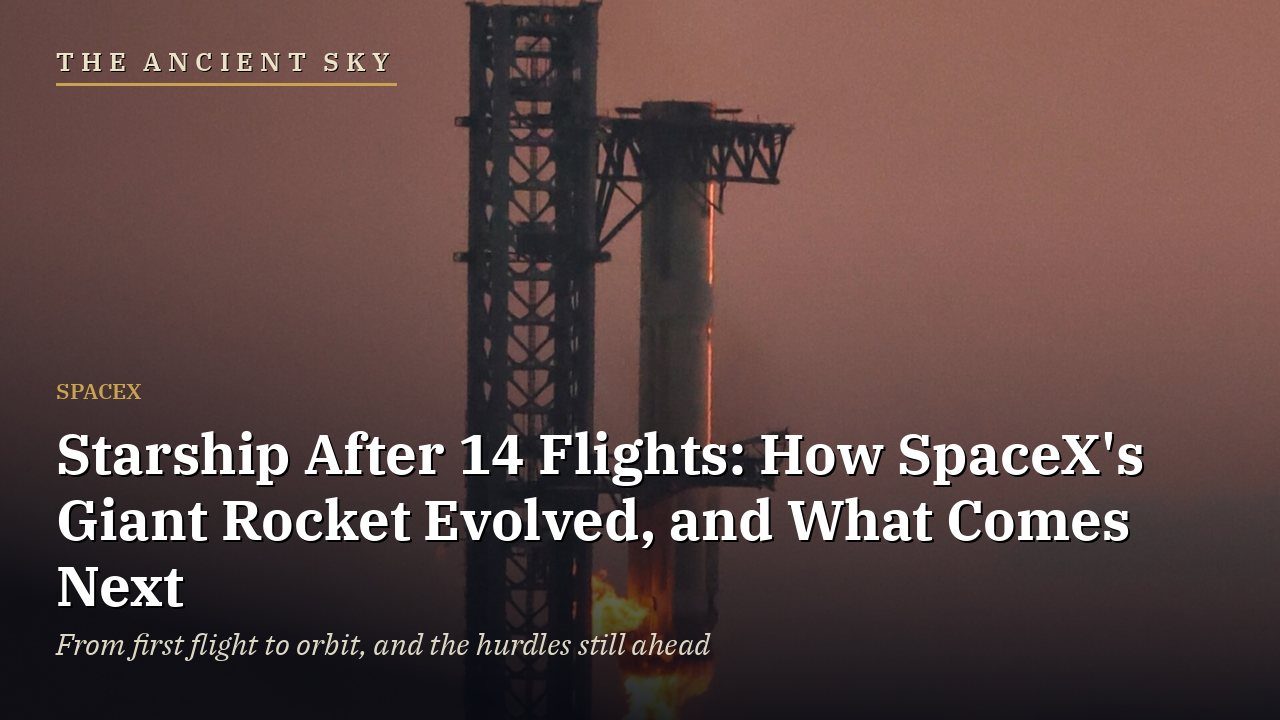
On September 28, 2026, the largest rocket ever built did what it was designed to do. SpaceX's Starship lifted off from Starbase, Texas, reached orbit for the first time, and released 26 full-size Starlink internet satellites. It was the 14th flight of a vehicle that had blown up, broken apart, or fallen short of its goals on many of the flights before it.
Starship is the vehicle that SpaceX's biggest plans depend on. That includes its next-generation Starlink network, NASA's return of astronauts to the Moon, a proposed city on the Moon, eventual missions to Mars, and a filing to launch AI data centers into orbit. Reuters has reported that SpaceX has spent more than $15 billion developing it.
This is the story of how Starship works, how it has changed across three versions and 14 flights, where it is built and launched, what it is meant to cost, the hurdles still in front of it, the concerns that critics and regulators have raised, and what SpaceX plans to try next. For the rocket Starship is meant to replace, see our article on Falcon 9. For the rivals, see our article on the competition. For the company as a whole, see our overview of SpaceX.
§ 1How Starship works
Starship is a two-stage rocket, and both stages are designed to be recovered and flown again. That is the key difference from Falcon 9, SpaceX's current workhorse, which recovers its first stage but throws away its second stage on every flight. My standalone article on Falcon 9 tells that story.
The first stage is a booster called Super Heavy. The second stage, which goes to orbit and is meant to come back, is the spacecraft itself, also called Starship. People often use "Starship" for the full stack as well.
Both stages burn liquid methane and liquid oxygen in SpaceX's Raptor engines. Methane was chosen in part because, in principle, it can be produced on Mars from carbon dioxide and water, which would let a ship refuel for the trip home.
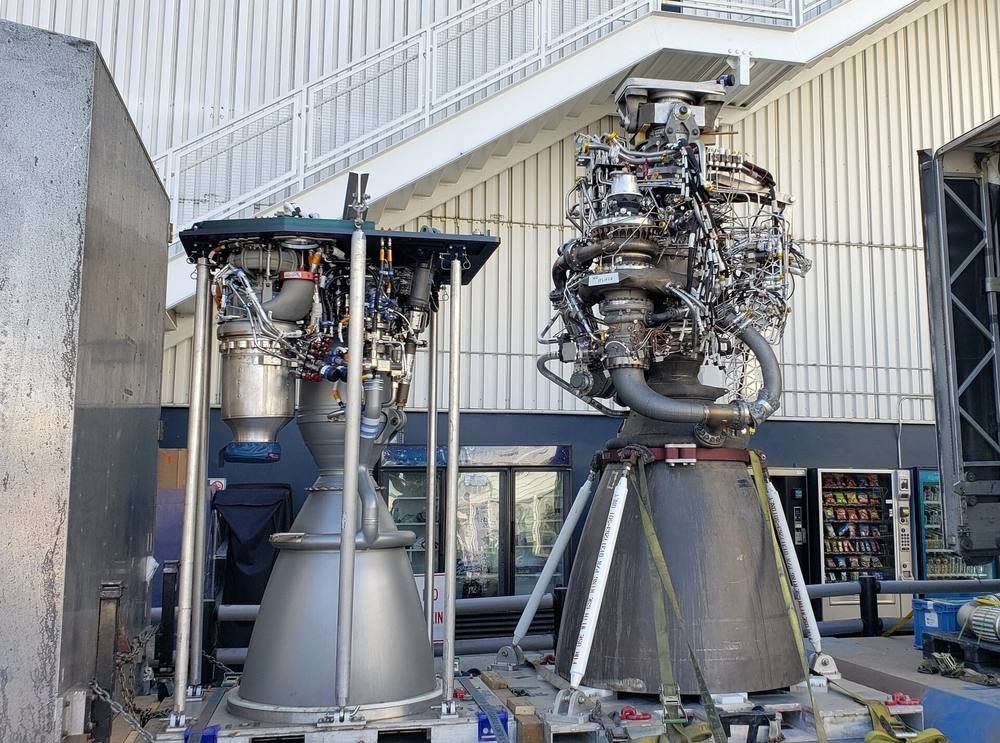

The current version, called V3 or Block 3, stands about 124 meters tall, according to SpaceX. The Super Heavy booster carries 33 Raptor 3 engines. The upper stage has six Raptors, three designed for use in the atmosphere and three with large nozzles built for the vacuum of space.
How much Starship can carry is still a target rather than a demonstrated figure. SpaceX's stated figure is more than 100 metric tons to orbit in a fully reusable configuration, and Musk has said V3 is meant to carry more. Neither has been demonstrated. Flight 14 carried 26 Starlink V3 satellites. For comparison, Falcon 9 lifts about 22.8 tons to low Earth orbit when its booster is thrown away.
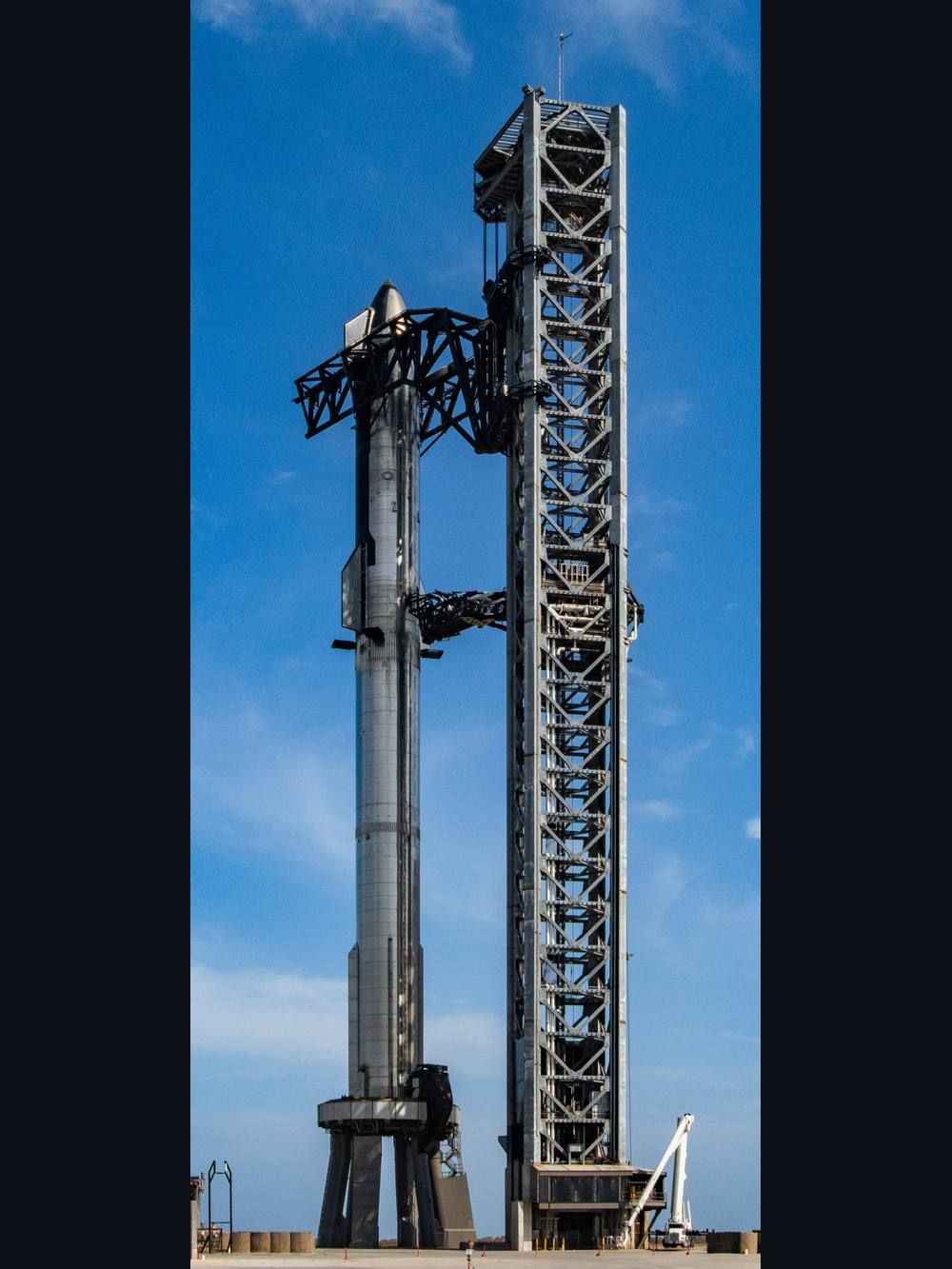
Recovery is meant to work differently from Falcon 9 as well. Instead of landing on legs, the Super Heavy booster flies back to its launch tower and is caught in midair by two large mechanical arms, nicknamed the "chopsticks." The tower itself is nicknamed "Mechazilla." The plan is to do the same with the upper stage. No ship has been caught yet.
§ 2Built in public: the flight history
SpaceX develops Starship by flying it early, learning from what breaks, and changing the next vehicle. The result has been a long, very visible list of failures alongside major firsts.
The early flights, 2023 and 2024
Flight 1, on April 20, 2023, ended with the rocket exploding about 24 miles over the Gulf of Mexico. Flight 2, on November 18, 2023, tried hot staging for the first time, lighting the upper stage's engines while it was still attached to the booster to separate the two. Separation worked. The booster exploded on its way down, and the ship reached space but did not finish its burn and was destroyed by its automatic safety system.

On Flight 3, March 14, 2024, the ship completed a full-duration burn and reached its intended velocity for the first time, then broke up during reentry. The booster was lost during its landing burn. On Flight 4, June 6, 2024, both stages came down in a controlled way for the first time, with the ship splashing down in the Indian Ocean.
Flight 5, on October 13, 2024, made headlines around the world. The Super Heavy booster flew back to its launch tower at Starbase and was caught in midair by the chopsticks on the first attempt. Nothing like it had been done before. On Flight 6 in November 2024, the booster did not attempt a catch after a check failed, and splashed down in the Gulf instead.
The difficult year, 2025
The next year was harder. On Flight 7, January 16, 2025, SpaceX caught the booster a second time but lost the ship about eight and a half minutes into the flight. On Flight 8, March 6, 2025, the tower caught the booster a third time, which SpaceX's own flight page calls the third successful catch of a Super Heavy. But the ship again suffered an energetic event in its rear section, lost several engines and then attitude control, and contact was lost about nine and a half minutes after liftoff.


Flight 9, on May 27, 2025, flew a reused Super Heavy booster for the first time. It was not a good day. According to SpaceX, the booster relit 12 of the 13 engines it needed for its landing burn and then broke apart about six minutes after launch. Ship 35 reached space, but its payload bay door would not open, so the eight Starlink simulators were never deployed, and an attitude-control error caused the planned engine relight to be skipped. SpaceX said contact with the ship was lost about 46 minutes into the flight, with debris expected to fall in the planned hazard area in the Indian Ocean. Together with Flights 7 and 8, it made three troubled flights in a row.
Flight 10, on August 26, 2025, was a success. The ship deployed mock Starlink satellites and relit a Raptor engine in space. Flight 11, on October 13, 2025, was the last flight of the V2 ship. It hit its main goals, deploying eight Starlink simulators, flying a new banking maneuver, and splashing down in the Indian Ocean. It also carried patches of rearranged heat-shield tiles, and some deliberately missing, to test how much damage the heat shield could tolerate.
Version 3 and the road to orbit, 2026
Flight 12, on May 22, 2026, was the debut of the taller V3 design with Raptor 3 engines and the first launch from Starbase's second pad, SpaceX said. The upper stage, Ship 39, reached space, deployed 20 Starlink simulators and two modified Starlink satellites that photographed the ship, and splashed down in the Indian Ocean as planned. But the ship lost one of its three vacuum engines during ascent. SpaceX said it used its engine-out capability to reach the planned trajectory, and NASASpaceflight reported that the in-space engine relight was not completed. The booster fared worse. NASASpaceflight reported that it flipped about 90 degrees in the wrong direction after separation, and that it could not light all its planned engines for the boostback burn. Reuters reported that five of its 33 engines did not reignite, and that the FAA attributed the failure to heat damage from the ship's engines during separation and to erroneous engine-alarm settings. SpaceX described a hard splashdown in the Gulf of Mexico, and Reuters reported that the booster exploded on impact. The Federal Aviation Administration declared the flight a mishap, and closed the investigation on July 13, accepting four corrective actions for the booster.

Flight 13, on July 24, 2026, launched on its third attempt, after an automatic abort at liftoff on July 16 because of an engine issue. The July 16 abort was traced to moisture that caused low pressure in a liquid-oxygen turbopump, according to NASASpaceflight, and the July 23 attempt was scrubbed for weather from Tropical Storm Bertha. The upper stage, Ship 40, deployed 20 Starlink V3 satellites on a suborbital path. SpaceX said it was the first time Starship had deployed the real V3 satellites rather than simulators. Because the flight was deliberately suborbital, the satellites were expected to burn up on reentry about 20 minutes later. The ship relit an engine in space and splashed down in the Indian Ocean, remaining intact after it toppled over, which SpaceX said gave its first views of an intact heat shield after splashdown. SpaceX then recovered it, took it to Australia's Christmas Island in August, and shipped it to Brownsville, Texas, where it arrived on October 7, according to Space.com and ABC News Australia. The booster completed its boostback burn with all 33 engines, which SpaceX said was a first for a V3 booster, but only 10 engines ignited for the landing burn, according to NASASpaceflight, and it made a hard splashdown in the Gulf.
Flight 14, on September 28, 2026, was Starship's first flight to orbit. Ship 41 deployed 26 Starlink V3 satellites, three of them carrying cameras to photograph the ship's heat shield, according to Space.com. The flight was not perfect. One of the ship's three vacuum engines shut down during ascent. SpaceX said the ship's remaining engines reached the planned suborbital trajectory, using the engine-out capability, and NASASpaceflight reported that, after a tense wait, the flight team gave a go for the orbital burn. After the satellites were deployed, SpaceX shortened the mission, which Space.com linked to the engine problem, and brought the ship down in the northern Pacific about three hours and eight minutes after liftoff, according to Space.com, rather than flying the planned profile of nearly ten hours, with a splashdown off Chile. The ship splashed down north of Hawaii and then toppled over and exploded when it hit the waves, Space.com reported. SpaceX's mission page lists the ship as expended.
The booster, Booster 21, lost one engine on ascent, relit 31 of 33 for the boostback burn, and relit 11 of 13 for the landing burn, according to NASASpaceflight and SpaceX. It made a soft splashdown in the Gulf, and SpaceX then triggered the flight termination system on purpose, describing it as a demonstration of the safety hardware. NASASpaceflight's own summary was that SpaceX "still has work to do, mainly losing Raptor engines on ascent, boostback, and landing."
Across 14 flights, a clear pattern emerges. SpaceX has repeatedly flown before a design was finished, accepted the loss of hardware, and used the data to change the next vehicle. That approach is costly and public, but it has moved the rocket from a launch-pad explosion to orbit in about three and a half years. It also means the headline of a given flight, whether "success" or "failure," often hides a mix of both.
§ 3Where Starship is built and launched
Starship is designed, built, and launched mainly at Starbase, SpaceX's site at the southern tip of Texas, near Brownsville. In May 2025, local voters approved making Starbase an incorporated city, by a vote of 212 to 6. Only 283 voters were eligible. Starbase now has two launch towers, and Flight 12 was the first launch from the second.
SpaceX is also preparing to fly Starship from Florida. In February 2026, the FAA issued its final environmental review and record of decision for Launch Complex 39A at NASA's Kennedy Space Center, allowing up to 44 Starship launches a year, with 44 booster landings and 44 ship landings. SpaceX has also proposed a second Florida pad at Space Launch Complex 37 at Cape Canaveral, for up to 76 launches and 152 landings a year. On September 29, 2026, the FAA announced that it will prepare a supplemental environmental review before modifying SpaceX's license for that site, so the FAA's approval there is still pending.
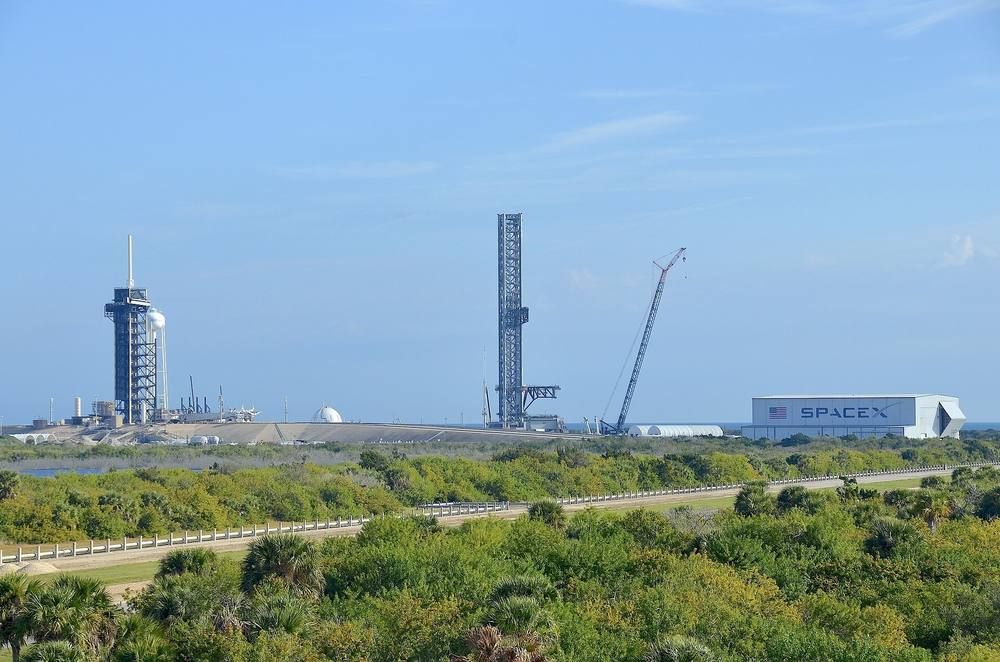

A third site is planned in Louisiana. In August, Reuters reported that SpaceX would build a Starship spaceport there in a project valued at $100 billion. The company has bought about 125,000 acres of former Exxon-owned coastal land for about $100 million, according to Axios, and Shotwell has described a "second Louisiana purchase" and plans to expand Starship operations there. That project has not yet been through the kind of federal environmental review that Texas and Florida have faced.
Environmental and community concerns
Starbase has been controversial since before the first launch. In May 2023, after the first Starship explosion, a group of environmental organizations led by the Center for Biological Diversity sued the Federal Aviation Administration for approving the launch program without a full environmental impact statement. They said the site sits beside habitat for protected species such as the Kemp's ridley sea turtle and the piping plover, and next to national wildlife refuge land. In September 2025, a federal judge, Carl Nichols, ruled for the FAA, finding that most of the agency's conclusions were well reasoned and supported by the record, and that even the parts of its analysis that left something to be desired fell within a broad zone of reasonableness, according to the Texas Tribune. The Center for Biological Diversity called the decision disappointing. The FAA has since completed further reviews, including those for the Florida sites, that allow operations to go forward with required mitigations.
The next review is a large one. On October 14, 2026, the FAA published a notice that it will prepare a programmatic environmental impact statement for Starship operations at Starbase. The proposal would allow up to 100 launches and 200 landings a year in a first phase, and up to 456 launches and 912 landings a year in a second phase. Public meetings are scheduled for November 17, 18, and 19, with written comments due November 30. Whatever the outcome, it shows that the plan to fly Starship as often as SpaceX describes would involve a very different scale of activity than today's, and that it would go through public comment.
Debris and aviation safety
A separate concern is aviation. After Flights 7 and 8 broke up over the Caribbean in early 2025, ProPublica reported that the FAA's debris-response airspace stayed active for more than an hour on the first of those flights, leaving airliners holding. It said an Iberia flight from Madrid carrying 283 people declared a fuel emergency and crossed the closed area to land safely in San Juan. The FAA records cited for Flight 8 indicated 18 aircraft were diverted and 40 were held. The FAA has also warned that a catastrophic spaceflight mishap could threaten aircraft. SpaceX has since changed some flight paths. Flight 12, for example, flew a more southerly trajectory so that any debris would fall into the open ocean in the middle of the Caribbean rather than near inhabited areas. No aircraft was damaged in these events.
The Government Accountability Office has also reported, in a study that covered the 2023 Starship mishap, that the FAA lets launch operators lead their own mishap investigations but had no written criteria for that decision. The GAO recommended it develop them. The FAA completed a broader evaluation of its process in September 2025, but the recommendation on written criteria remains open, according to the GAO's summary.
§ 4What it is meant to cost
Starship's central promise is cost. Reuters reported that SpaceX has spent more than $15 billion developing the rocket.
The goal is to make each flight cheap enough to change what is possible in space. According to Advanced Television, SpaceX's IPO presentation says the average cost of launching a kilogram to orbit once ran about $18,500 and has fallen to about $2,700 with Falcon 9. The company's stated target is for fully reused Starships to cut that cost by about 99 percent. That is a target, not a current price. SpaceX does not publish what a Starship flight costs today, while the rocket is still in testing and stages are being lost, so outside estimates vary widely and should be treated with caution.
A fully reusable Starship carrying several times as much as Falcon 9 at a fraction of the cost would undercut every rocket in service, including SpaceX's own. That is the argument for the program. The counterpoint is that Musk's cost targets have so far depended on rates of reuse and flight that no one has yet demonstrated.
§ 5The hurdles still ahead
Reaching orbit was a major step, but several hard problems remain unsolved.
The first is catching the ship. Super Heavy boosters have been caught by the tower three times, on Flights 5, 7 and 8. No upper stage has been caught yet, and every ship so far has ended its flight in the ocean. A ship catch is needed for rapid reuse.
The second is reflying the ship. SpaceX has flown a reused booster, but not a reused ship, and that is what makes the system fully reusable.
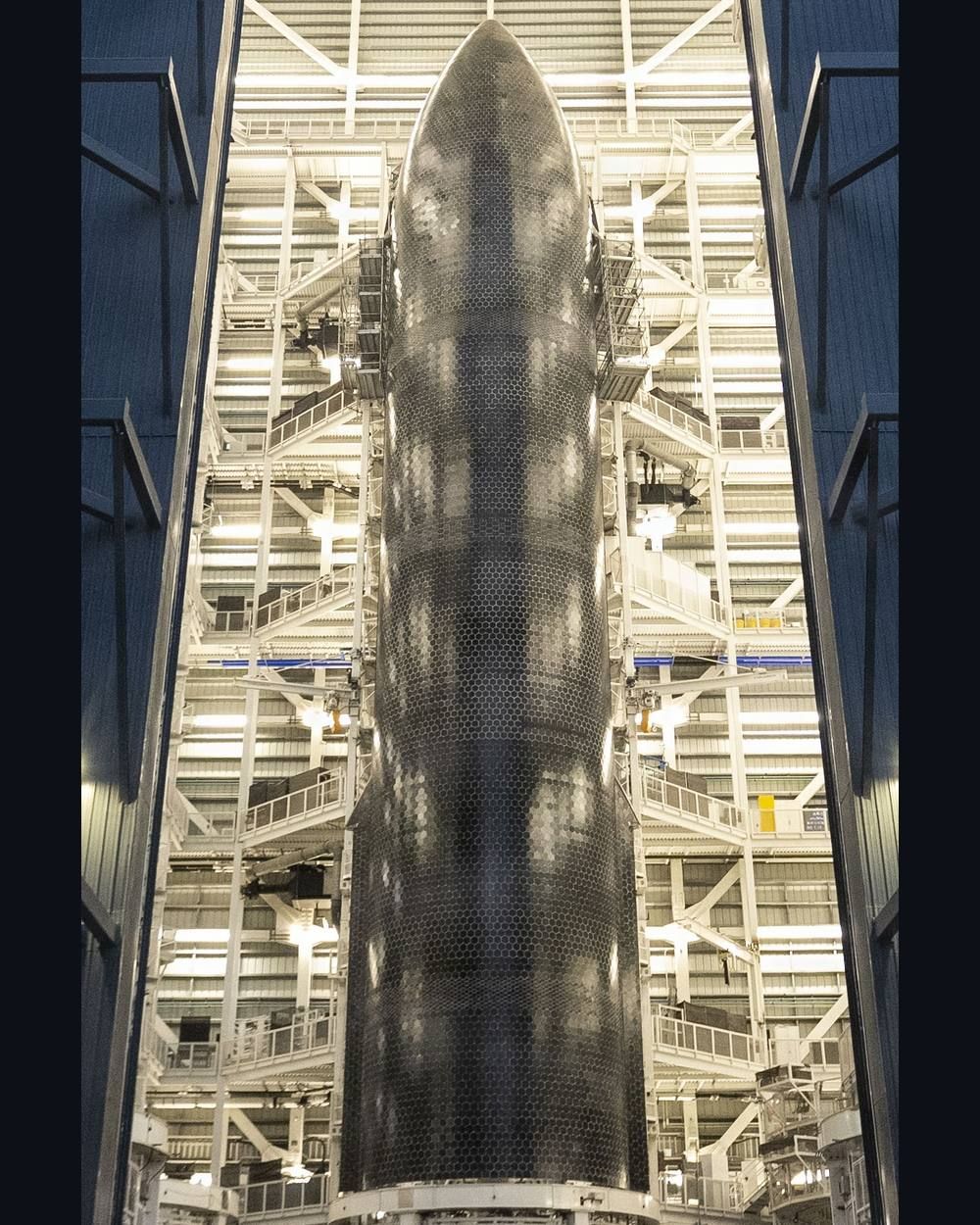
The third is the heat shield. The ship returns from orbit at enormous speed and relies on thousands of heat-resistant tiles. SpaceX has repeatedly tested tile designs, including flights with tiles deliberately missing, and used cameras on Starlink satellites to inspect the shield in orbit. A heat shield that can survive many flights with little repair is essential to cheap reuse.
The fourth is engine reliability. Engines shutting down early or failing to relight appeared on Flights 12, 13, and 14, on both the ship and the booster.
The fifth, and the biggest for the Moon and Mars, is refueling in orbit. A Starship that reaches orbit has used most of its propellant. To go further, it must be refilled in space by other Starships launched as tankers. SpaceX plans a two-launch demonstration in which one ship would stay in orbit to study how much propellant boils away, and a second would dock with it and transfer propellant. On the October earnings call, Shotwell said SpaceX would attempt on-orbit refueling early next year. NASA's schedule, presented by its acting lander program manager at the International Astronautical Congress this month, is more cautious, according to Space.com. It calls for the first tanker flight and an uncrewed lunar landing demonstration in late 2027. How many launches a single lunar landing needs is disputed, and neither NASA nor SpaceX has published an official figure. On October 22, Ars Technica reported that Charlie Precourt of NASA's Aerospace Safety Advisory Panel said the latest estimate is around 22 flights. Musk replied that this was too high and that the number would be more like six to eight. NASA officials had previously given figures from a dozen to the high teens.
§ 6The missions Starship is meant to fly
The first job is Starlink. SpaceX's third-generation Starlink V3 satellites are too large for Falcon 9 and are designed to launch on Starship. Flight 14 put the first 26 into orbit. Starlink is SpaceX's largest launch customer by far, so moving it to Starship is the rocket's first big commercial job.
The second is the Moon. NASA chose a modified Starship in 2021 as a lander to carry astronauts to the lunar surface, under a contract worth $2.89 billion, according to NASA's 2021 announcement. NASA changed the plan this year. Artemis II, which launched on April 1, sent four astronauts around the Moon. Artemis III, now planned for 2027, is a test in low Earth orbit in which the Orion capsule would dock with test versions of both SpaceX's Starship and Blue Origin's Blue Moon landers. Artemis IV, which Space.com reports is targeted for early 2028, is the first mission intended to land astronauts. NASA said on October 23 that it will decide, based on readiness, which company delivers the first crew to the surface, and that neither lander has been assigned to a specific landing mission. NASA also said that under the revised plan the Starship lander would wait in Earth orbit for Orion, dock with it, and push it toward the Moon. That is a notable change from earlier plans, which assumed a Starship landing on the first mission.
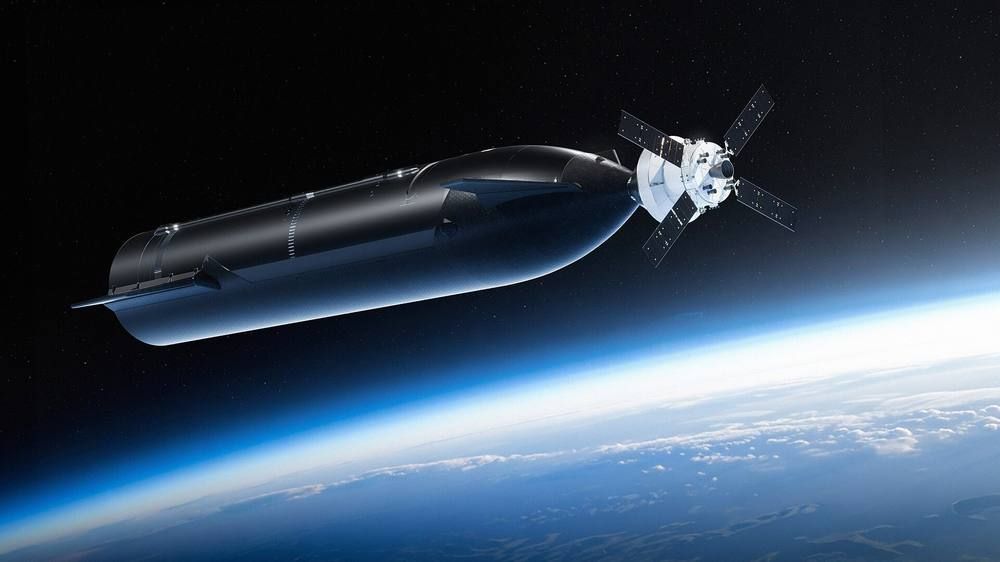

In February, Musk said SpaceX had shifted its near-term focus to building a "self-growing city" on the Moon, which he said could potentially be achieved in less than 10 years. The Wall Street Journal reported around then that SpaceX was targeting an uncrewed lunar landing in March 2027. That is earlier than NASA's own late-2027 date for an uncrewed landing demonstration, and it comes from a news report rather than a published SpaceX schedule.
The third is Mars. Musk had long talked of sending uncrewed Starships to Mars in the late-2026 launch window, but the Wall Street Journal reported in February that SpaceX was delaying its Mars plans. Musk said Mars would take 20 years or more, and that SpaceX would begin work on a Mars city in about five to seven years, in parallel with the Moon.
The fourth is AI in orbit. In January 2026, SpaceX filed with the Federal Communications Commission for a constellation of up to one million satellites designed to work as data centers in orbit, a plan that depends on Starship's launch capacity. The FCC accepted the filing for public comment in February, and as of late October it had not approved it.
The fifth is replacing Falcon 9. In August, Musk wrote that "winding down Falcon" is "inevitable," and that once Starship is flying reliably several times per week, it makes sense to shift production resources to it, according to Space.com. The bigger company picture is in my standalone SpaceX overview, and the rivals Starship is meant to outpace are in my standalone article on the competition.
§ 7What comes next: Flight 15
SpaceX's next flight is meant to be its most ambitious yet. On the company's third-quarter earnings call on October 20, Musk said SpaceX will try to catch both the booster and the ship with the tower on Flight 15, which he expected to happen "next month." A ship catch has never been attempted. He said it was "more likely than not" that the attempt would succeed, while adding that success is not guaranteed on these first flights, and that if it fails, there would be a steady stream of further attempts through the end of the year, accelerating next year.
No firm date had been set as of late October. Shotwell said SpaceX has had constructive engagement with the FAA and expects the license for Flight 15 to include a return to the launch site and a tower catch for both stages, which means the license had not yet been issued. The flight is expected to use Booster 22 and Ship 42. Shotwell said SpaceX also aims to refly a second stage by early next year, which would be the first reflight of a ship.
§ 8Promises and timelines
A fair reading of Starship's history includes the gap between what has been said and what has happened. In November 2024, Starbase General Manager Kathy Lueders said SpaceX hoped to catch a Starship upper stage within six months and to fly as many as 25 launches in 2025. Neither happened, and Starship flew five times in 2025. In 2026, Starship has flown three times in the first ten months. Musk's own measure for retiring Falcon 9 is Starship flying "reliably several times per week," which is a far higher rate than anything yet achieved. The Mars flights once planned for this year have been pushed back. The propellant transfer demonstration has slipped from earlier targets and is early 2027 in SpaceX's current plan and late 2027 on NASA's.
SpaceX's defenders argue that building quickly and flying often is exactly how the company reached its current position with Falcon 9, and that the rate of learning matters more than any single schedule. Critics point out that the timelines cited in public have repeatedly proved too optimistic, and that much of the company's valuation and plan, including the Moon and orbital data center goals, rests on dates that have not held. Both are true to a degree, and the next few flights will help show which one matters more.
§ 9What to watch
The most important event is Flight 15's catch attempt. A successful catch of both stages would be the clearest sign yet that full reuse is within reach. A failed catch would show how much work remains.
After that, watch for the first reused ship, which SpaceX has said it aims to fly by early next year. Watch also the flight rate, since Musk's own measure is "several times per week" and the actual rate in 2026 has been closer to one flight every three months.
The propellant transfer demonstration is the gateway to the Moon and Mars. The first Starship launch from Florida would add a second launch site and more capacity, and Louisiana is further off. Progress on the lunar lander version, including a full-scale crew cabin mockup that NASA's lander schedule shows due at Starbase by the end of 2026, will set the timing for NASA's next crewed Moon landing. And the FAA's environmental review, with comments due November 30, will decide how much Starship flying the regulators will allow.
§ 10The outlook
Starship has come further in three and a half years than its early explosions suggested, and less far than Musk's timelines promised. It has reached orbit, carried real satellites, and had its booster caught three times. Its ship has not yet been caught, reflown, or refueled in space.
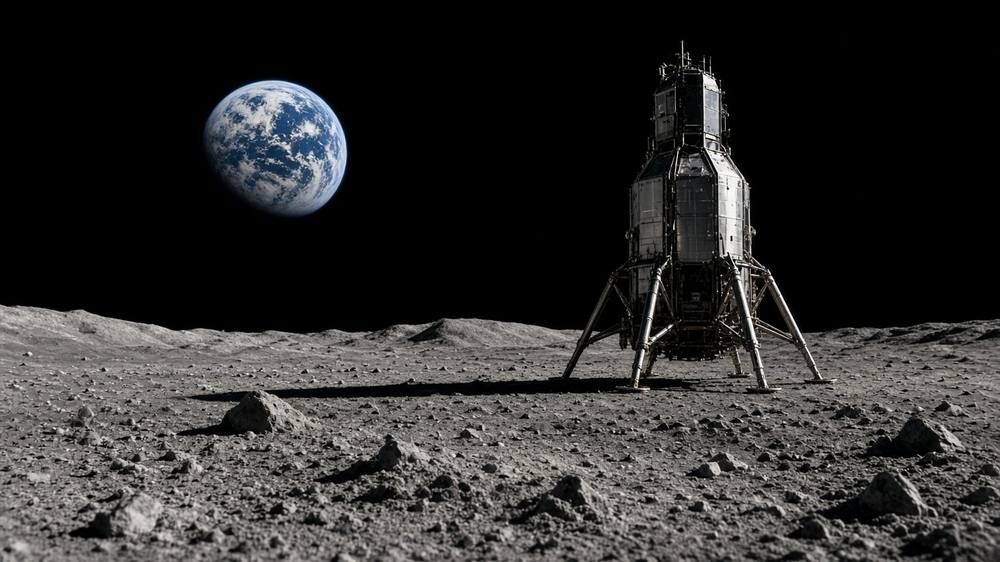
Those are the steps that would turn Starship from the world's largest rocket into what SpaceX says it is meant to be: a fully reusable vehicle that flies often enough, and cheaply enough, to make cities on the Moon and Mars possible. Alongside the engineering, the program faces environmental review, aviation safety questions, and the long list of dates that have slipped. The next year of flights will show how close it is.
Watch & Listen
Hear this entry read aloud. Coming soon — the channels are not live yet.
Sources
How Starship works
Flight history
- SpaceX – Starship flight test 1 page
- Space.com – Flight 1: what we saw
- Space.com – Flight 2 milestones
- TechCrunch – Flight 3 progress
- SpaceX – Starship flight 4 page
- Space.com – Flight 5 booster catch
- Scientific American – Flight 6 skips catch
- CNN – Flight 7 catch, ship lost
- SpaceX – Starship flight 8 page
- SpaceX – Starship flight 9 page
- Spaceflight Now – SpaceX schedules Flight 10, details recent setbacks
- Scientific American – Final test flight of 2025
- TechCrunch – SpaceX wraps V2 era
- SpaceX – Starship flight 12 page
- NASASpaceflight – Flight 12 (Block 3, Pad 2)
- Space.com – FAA grounds Starship after Flight 12 mishap
- CNBC – FAA closes Starship review ahead of next test flight (July 13, 2026)
- SpaceX – Starship flight 13 page
- Spaceflight Now – Flight 13 second launch attempt (July 23, 2026)
- Space.com – First Starship to survive a launch to space comes home
- ABC News Australia – Starship begins journey back to Texas from Christmas Island
- NASASpaceflight – Flight 13 achieves new firsts
- SpaceX – Starship flight 14 page
- NASASpaceflight – Flight 14 live coverage and recap
- Space.com – Flight 14 reaches orbit
- Interesting Engineering – Flight 14 deploys 26 Starlink V3
Flight 15 and SpaceX's own statements
- SatNews – SpaceX Starship to fly 25 launches in 2025 (Nov. 13, 2024)
- Payload – SpaceX launches Starship Flight 6, forgoes a booster catch attempt
- SpaceX Q3 2026 earnings call transcript (Musk and Shotwell remarks on Flight 15, refueling and Louisiana)
- Space.com – Goodbye, Falcon 9
Where it is built and launched; environment and aviation
- Center for Biological Diversity – Lawsuit aims to protect Texas wildlife habitat, beach access (May 1, 2023)
- Texas Tribune – Judge dismisses environmental lawsuit against FAA (Sept 17, 2025)
- AP News – Starbase becomes an official Texas city
- FAA – Record of Decision, Starship at Launch Complex 39A
- Federal Register – Notice of intent for a supplemental EIS, Starship at Space Launch Complex 37 (Sept 29, 2026)
- Federal Register – Notice of intent for a programmatic EIS, Starship at Starbase (Oct 14, 2026)
- Reuters – SpaceX to build $100 billion Starship rocket complex in Louisiana
- Axios New Orleans – How SpaceX bought 125,000 acres of Louisiana's coast
- ProPublica – How SpaceX rockets put passenger planes at risk
- ProPublica – FAA warns airlines about safety risks from rocket launches
- U.S. GAO – FAA should improve its mishap investigation process (GAO-24-105561)
Cost
- Yahoo Finance / Reuters – SpaceX spending on Starship tops $15 billion
- Advanced Television – SpaceX forecasts plummeting launch costs
Moon, Mars, and orbital data centers
- NASA – NASA picks SpaceX to land next Americans on Moon (April 16, 2021)
- NASA – NASA, partners accelerate lander development for 2028 Moon missions (Oct. 23, 2026)
- NASA – Artemis III mission to test future Moon lander operations
- NASA – Liftoff: NASA launches astronauts on Artemis II
- Space.com – NASA reveals lunar lander timelines (Oct. 21, 2026)
- Ars Technica – Latest estimate for Starship launches needed for a Moon landing
- Reuters – SpaceX prioritizes lunar "self-growing city" over Mars, Musk says
- Reuters – SpaceX delays Mars plans to focus on 2027 Moon landing, WSJ reports
- Reuters – SpaceX seeks FCC nod for solar-powered satellite data centers
- FCC – Space Bureau accepts for filing SpaceX's application for orbital data centers
Videos (views checked October 27, 2026)
- Everyday Astronaut, "Complete Guide To Starship: Falcon 9 VS Starship," 3,931,048 views
- Everyday Astronaut, "Why does Starship belly flop?," 1,676,634 views
- SpaceX (company video), "Starship's Fifth Flight Test (first booster catch)," 5,791,651 views
- SpaceX (company video), "Starship's Tenth Flight Test," 2,383,807 views
- CNET, "SpaceX Starship Flight 14: Everything that Happened in 15 Minutes," 2,141,955 views
- NASASpaceflight, "SpaceX Starship Flight 14 - Launch & Booster Splashdown - LAUNCH STREAM," 1,447,099 views
- Fox Weather (news report, not video-first)
Also see (Wikipedia and Grokipedia; secondary sources, cross-checked against the primary and credible sources above and never the only support for a claim)
- Wikipedia – SpaceX Starship: en.wikipedia.org/wiki/SpaceX_Starship · Grokipedia: grokipedia.com/page/SpaceX_Starship
- Wikipedia – SpaceX Starbase
- Wikipedia – Starship HLS: en.wikipedia.org/wiki/Starship_HLS · Grokipedia: grokipedia.com/page/Starship_HLS
- Wikipedia – Starship Propellant Transfer Demonstration
- Wikipedia – List of Starship launches
- Wikipedia – Starship flight test 4
- Wikipedia – Starship flight test 9: en.wikipedia.org/wiki/Starship_flight_test_9 · Grokipedia: grokipedia.com/page/Starship_flight_test_9
- Wikipedia – Starship flight test 12
- Wikipedia – Starship flight test 13: en.wikipedia.org/wiki/Starship_flight_test_13 · Grokipedia: grokipedia.com/page/Starship_flight_test_13
- Wikipedia – Starship flight test 14
- Wikipedia – Artemis program: en.wikipedia.org/wiki/Artemis_program · Grokipedia: grokipedia.com/page/Artemis_program
- Grokipedia – Starship (general)